How to Document Hurricane Roof Damage for Your Insurance Claim
Living in The Tri-County Area means we get to enjoy beautiful sunshine and tropical breezes for most of the year. However, it also means we have to stay prepared for the reality of severe weather. When a major hurricane hits, or even when a particularly fierce 3 PM downpour brings unexpected wind and hail, your home's exterior takes the brunt of the impact. Discovering that your property has sustained damage is incredibly stressful, and the thought of navigating the complex Florida property insurance claims process can feel downright overwhelming.
With ongoing changes to Florida's property insurance landscape and stricter enforcement of building codes, getting your claim approved quickly and fairly requires precise documentation. Insurance companies are scrutinizing claims more than ever, especially for older homes. Knowing exactly how to record the damage properly can be the difference between a smooth payout and a frustrating, drawn-out delay.
At Roofing Brothers of Florida, we have spent decades helping homeowners protect their biggest investment. We know firsthand how confusing the aftermath of a storm can be. This guide will walk you through the safest and most effective ways to document storm damage for a roof insurance claim, ensuring you have the evidence you need to move forward with confidence.
Prioritize Safety and Conduct an Initial Ground Inspection
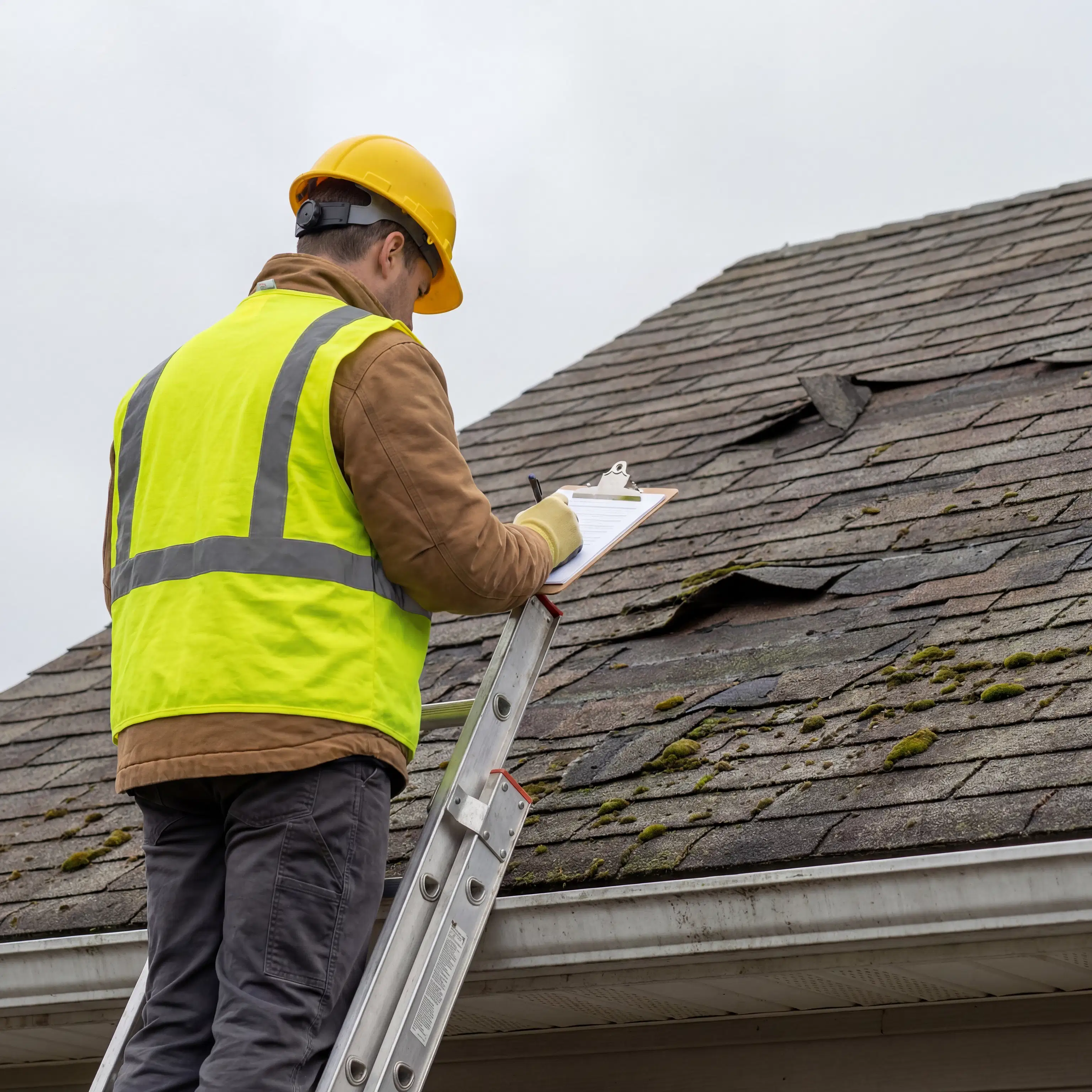
The most important rule after any severe weather event is to never compromise your personal safety. The moments after a storm passes are chaotic, and it can be tempting to grab a ladder and climb up to assess things yourself. Please, do not go on your roof. Damaged structures are incredibly unstable, surfaces are slippery, and unseen structural weaknesses can lead to severe accidents.
Instead, begin your documentation process safely from the ground. Walk around the perimeter of your home and take wide-angle photographs of every side of your house. These broad photos establish the overall condition of your property immediately following the storm. If a tree branch has fallen, take photos of the tree, the point of impact, and the surrounding debris before anyone attempts to move it.
As you conduct this ground-level inspection, look for obvious signs of trouble. Are there shingles scattered across your lawn? Do you see dented or detached gutters? Don't forget to check your outdoor living spaces as well. Damage to your lanai screens or the structures connecting your patio to your main roofline are crucial pieces of evidence. Remember, the goal of documenting storm damage for a roof insurance claim is to tell the complete visual story of what the storm did to your property, so capturing the surrounding debris is just as important as capturing the structural damage itself.
Track Interior Signs of Water Intrusion
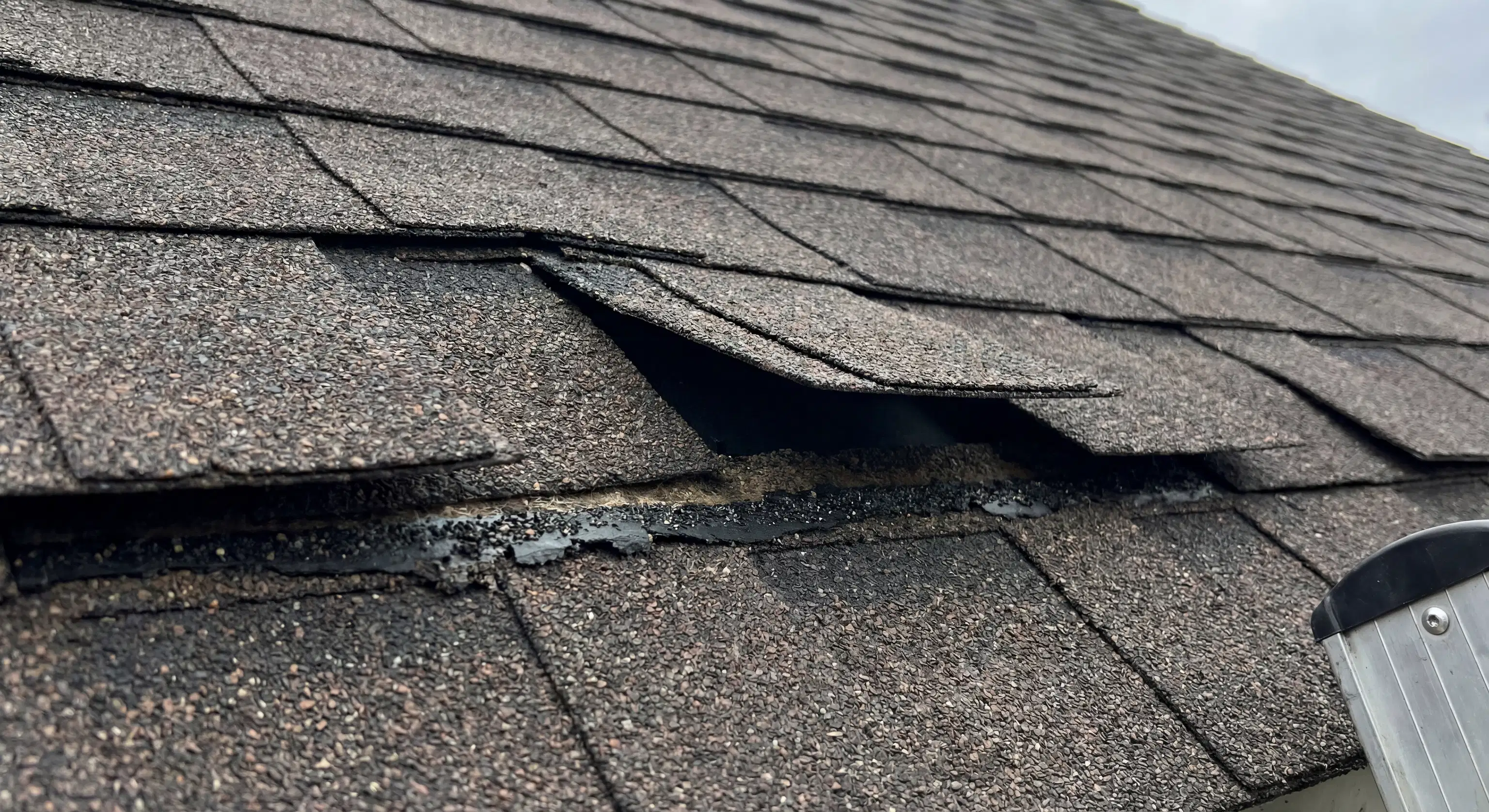
Sometimes, the most significant damage isn't immediately visible from the outside. High winds can lift shingles just enough to allow blowing rain to penetrate your underlayment, leading to hidden moisture problems. If you suspect your home has been compromised, you need to know the steps to file a homeowners insurance claim for a roof leak, and that starts with documenting the interior of your home.
Walk through every room on your top floor, paying close attention to the ceilings and the corners where the ceiling meets the wall. Look for peeling paint, bubbling drywall, or faint brown water spots. If you have safe access to your attic, take a flashlight and look at the underside of the roof decking. Check for damp wood, matted insulation, or visible daylight shining through cracks.
If you find water actively dripping, place a bucket underneath it to protect your floors, but be sure to take clear photos and videos of the active leak first. Documenting interior water intrusion is vital because it proves to the insurance company that the protective barrier of your home has failed, creating an urgent need for intervention. Be sure to note the exact date and time the leak was discovered, as prompt reporting is a key requirement of most Florida homeowner policies.
Navigating the Insurance Adjuster Roof Inspection
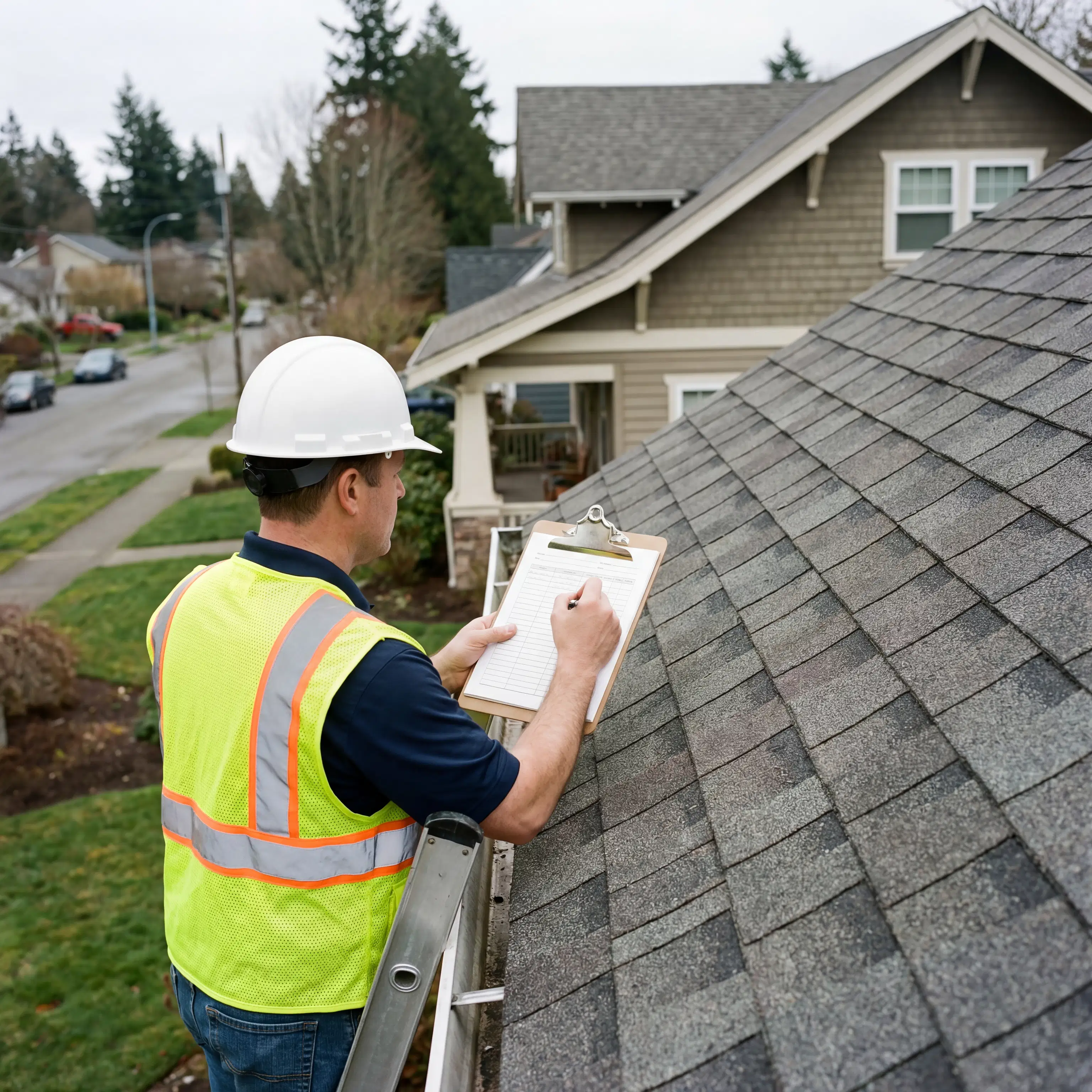
Once you have compiled your initial photos and contacted your insurance provider to file a claim, they will likely send an insurance adjuster to evaluate your property. Knowing how to handle an insurance adjuster roof inspection can significantly impact the outcome of your claim. The adjuster's job is to assess the damage on behalf of the insurance company, but it is highly recommended that you have a qualified professional present to advocate for your interests.
This is where hiring a licensed, local contractor becomes essential. After major storms, the I-4 Corridor is often flooded with out-of-state storm chasers who knock on doors offering quick, suspiciously cheap repairs. These companies rarely stick around to honor warranties and often lack the proper credentials required by Orange County and surrounding municipalities. Instead, partner with an established, local company that understands strict Florida Building Codes and wind mitigation standards.
At Roofing Brothers of Florida, our team utilizes advanced technology, including high-resolution drone inspections and digital 3D modeling, to provide highly accurate, contactless damage assessments. These detailed digital reports leave no room for guesswork and are exactly the kind of evidence insurance adjusters need to approve a claim quickly. We provide comprehensive insurance claim roofing assistance to help translate the complex jargon and ensure nothing is overlooked during the adjuster's visit.
Restoring Your Home with Confidence
Dealing with insurance companies can test anyone's patience, especially when dealing with delayed payouts or complex paperwork. However, by taking swift action to document the damage safely and partnering with a trusted local expert early in the process, you can protect your home and your financial well-being.
Whether you need a minor patch for a small leak or a complete replacement using modern, hurricane-resistant materials, quality workmanship is paramount. A properly installed, storm-resilient roof not only secures your home against future severe weather but can also help lower your annual property insurance premiums through certified wind-mitigation upgrades.
If you are dealing with the aftermath of a severe storm in the Orlando area, you don't have to navigate it alone. Reach out to Roofing Brothers of Florida today for expert storm damage repair and restoration. Our experienced team will provide a thorough, technologically advanced inspection and stand by your side throughout the entire recovery process, ensuring your home is restored beautifully and correctly.