How Your Roof's Age Affects Your Florida Homeowners Insurance
If you own a home in the Tri-County Area, you are likely well aware of the current property insurance climate. Across the state, homeowners are opening their mail to find staggering premium hikes or, worse, notices of non-renewal. One of the primary culprits behind these sudden changes? The age of your roof.
The roof age limit florida homeowners insurance providers are willing to accept has drastically shifted in recent years. While a well-maintained roof might still look fine from the street, insurance companies are increasingly taking a hardline approach to how old a roof can be before it becomes an unacceptable liability. For residents in Central Florida, understanding these shifting policies is no longer optional—it is a critical part of protecting your home and your financial peace of mind.
At Roofing Brothers of Florida, we hear from panicked homeowners every week who need immediate help navigating these exact issues. In this comprehensive guide, we will break down why insurance companies are changing their rules, how long does a roof last in Florida realistically, and the steps you can take to secure your coverage and potentially lower your premiums.
The 10 to 15-Year Rule: Why Insurers are Dropping Policies
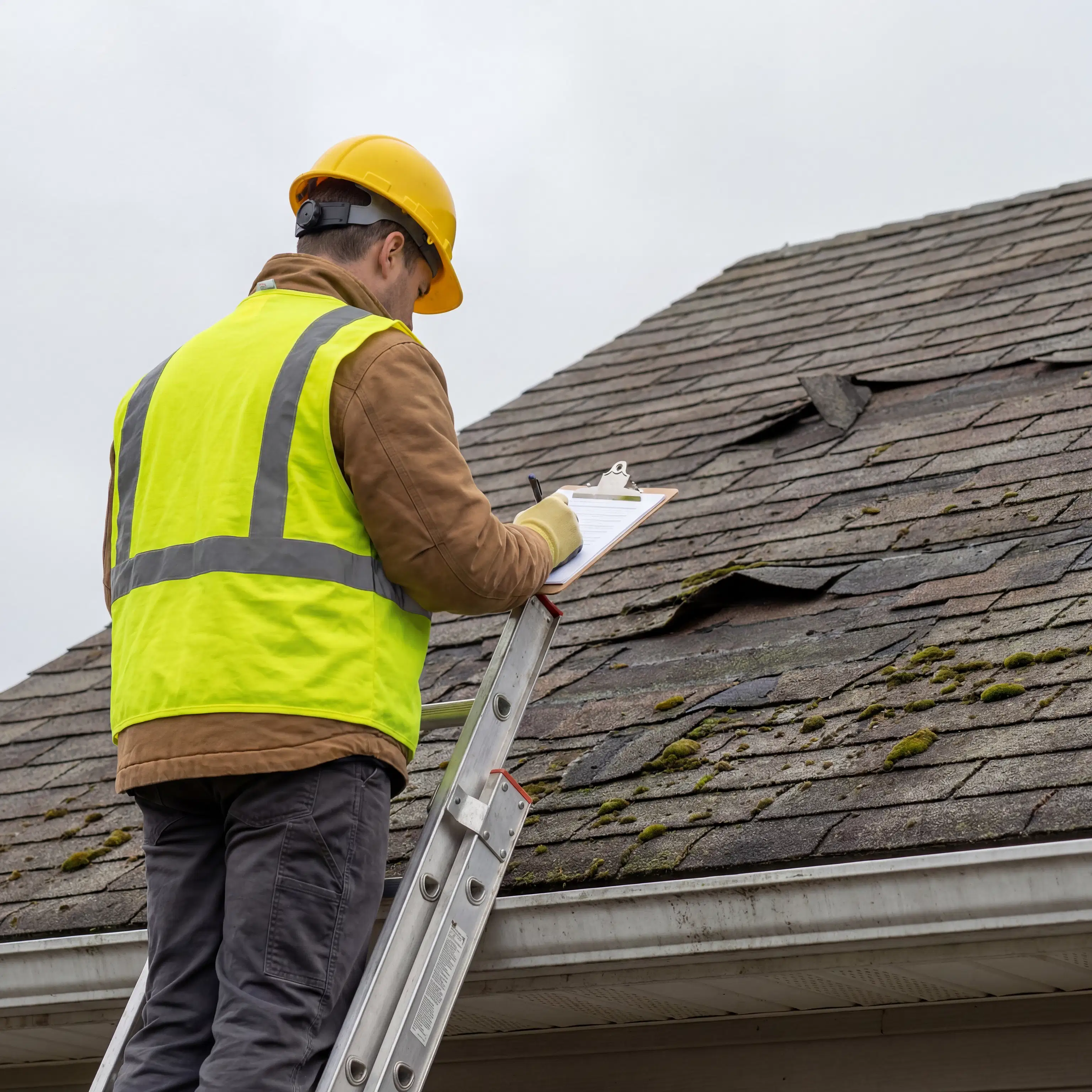
Historically, homeowners could expect their standard asphalt shingle roofs to be covered for 20 years or more, provided there was no obvious damage. Today, the landscape is very different. Many insurers are now refusing to write new policies or renew existing ones if a roof is older than 10 to 15 years.
Why the sudden crackdown? The answer lies in the unique weather challenges of the CFL region. Between the intense UV radiation of our long summers and the severe winds of hurricane season, roofing materials degrade much faster here than in other parts of the country. Even a standard 3 PM downpour can expose vulnerabilities in an aging roof. Insurance companies know that older shingles become brittle, lose their protective granules, and are far more susceptible to being ripped off during a severe storm.
When homeowners ask us about the average lifespan of their roofs, we have to distinguish between the physical lifespan of the material and the 'insurable' lifespan. While your roof might physically hold up for 18 years, the risk of catastrophic interior water damage increases exponentially after year 15. Because insurers want to avoid massive payouts for hurricane roof damage repair, they force homeowners to replace their roofs proactively.
The silver lining? Understanding how roof replacement lowers home insurance rates can help you turn this frustrating situation into an investment. A brand-new roof built to current Florida Building Codes significantly reduces the insurer's risk, which often translates directly into lower annual premiums for you.
Navigating Wind Mitigation and New Roofing Standards
If you are forced to replace your roof to keep your insurance, it pays to understand what the state and the insurance companies are looking for. The Florida Building Code has become incredibly stringent, particularly concerning wind resistance. Upgrading your roof is not just about laying down new shingles; it is about meeting rigorous wind mitigation inspection roof requirements.
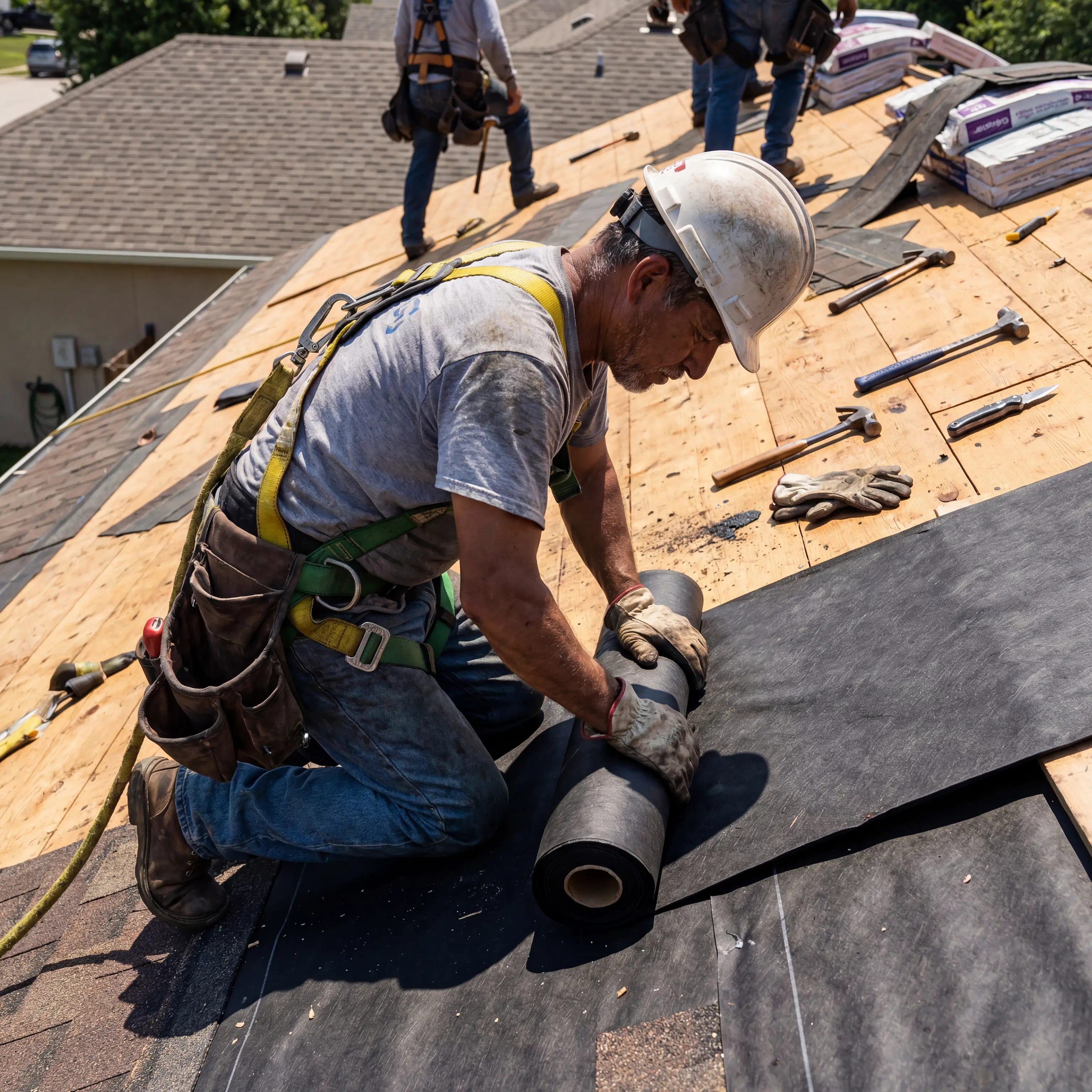
During a standard residential roof installation, modern roofing contractors must include secondary water barriers, specific nailing patterns, and enhanced underlayments designed to keep water out even if the primary shingles blow away. When an inspector verifies these features, it proves to your insurance company that your home is fortified against high-velocity winds.
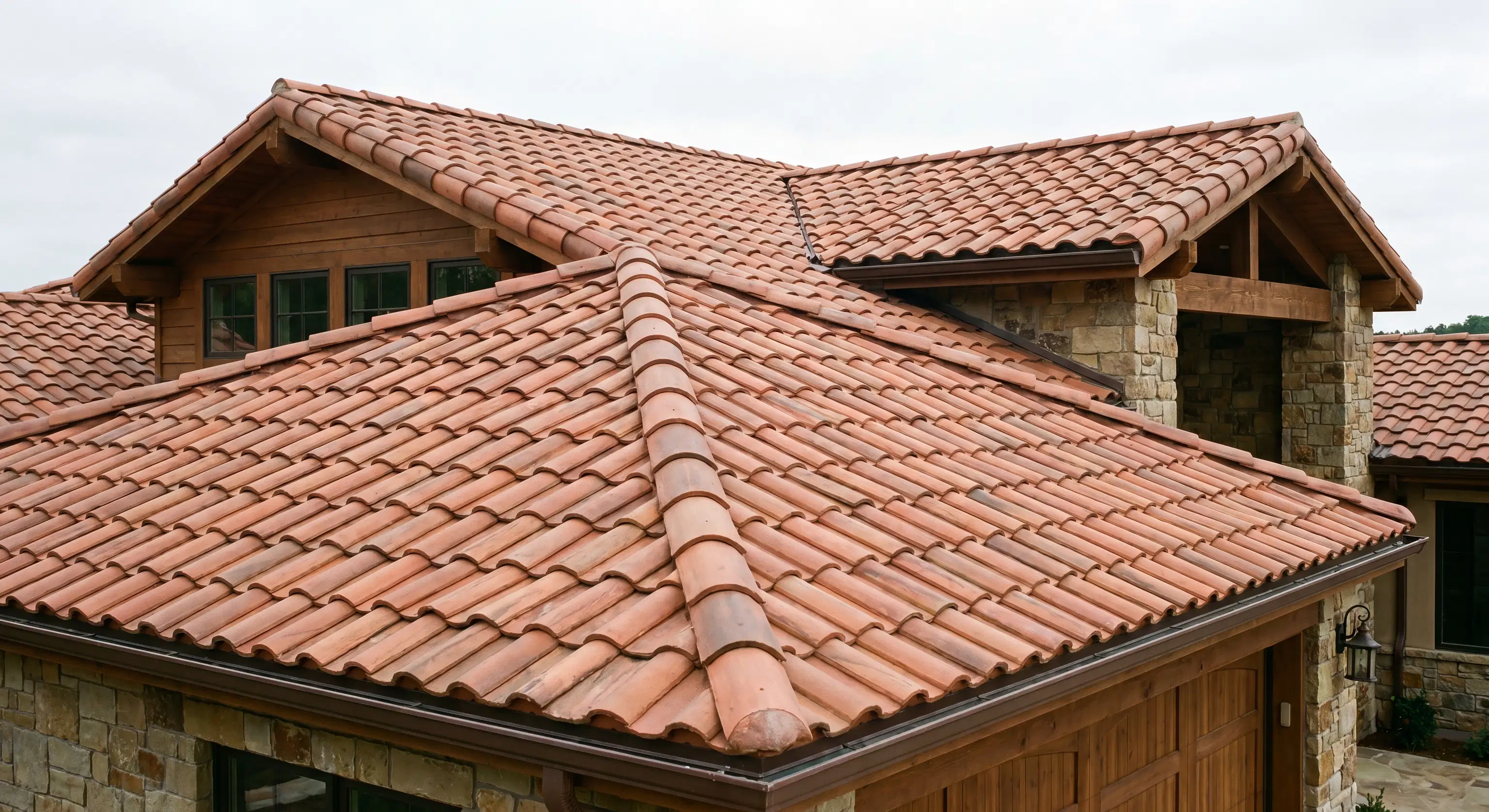
This is also a great time to consider the materials you are putting on your home. When comparing a metal roof vs shingle roof Florida homeowners often find that metal, while a higher initial investment, offers unparalleled longevity and storm resilience. Metal roofs, along with durable barrel tile options popular in areas like Lake Nona and Winter Park, can sometimes secure longer grace periods from insurance providers and offer superior energy efficiency by reflecting our intense summer heat.
Dealing with Storm Damage and Insurance Claims
Sometimes, a roof replacement is not prompted by a letter from your insurance company, but by a sudden severe weather event. When a hurricane or tropical storm tears through the I-4 Corridor, it leaves a trail of damaged roofs in its wake. This unfortunately brings out 'storm chasers'—out-of-state contractors who canvas neighborhoods, perform hasty work, and disappear before the first warranty claim can be filed.
When dealing with significant property damage, it is crucial to work with an established roofing contractor Orlando residents have trusted for years. Local companies understand the intricacies of Florida insurance policies and local building codes. If your aging roof has suffered legitimate wind or hail damage, you shouldn't have to navigate the complex claims process alone.
Our dedicated team provides comprehensive insurance claim roofing assistance. We help document the damage properly, meet with the insurance adjusters, and ensure that the scope of work covers everything required to restore your home safely and up to code.
Take Action Before Your Policy Renews
Do not wait for a non-renewal notice to arrive in your mailbox. If your roof is approaching the 10 to 15-year mark, being proactive is the best way to protect your home and secure favorable insurance rates. Whether you are looking for a routine inspection, emergency roof repair Orlando FL residents can rely on, or a full replacement, Roofing Brothers of Florida is here to help.
We pride ourselves on transparent communication, exceptional workmanship, and helping our neighbors navigate the complexities of Florida homeownership. Contact us today to schedule your comprehensive roof evaluation and ensure your home is ready for whatever the Florida weather brings.