Identifying Hidden Roof Leaks After Summer Storms
We all know the familiar rhythm of summer in Orlando: bright, humid mornings followed almost inevitably by the daily 3 PM downpour. While these intense afternoon storms bring welcome relief from the sweltering heat, they also put an immense amount of strain on our homes. One of the most insidious threats to your property isn't necessarily a dramatic, high-wind hurricane event—it is the slow, hidden intrusion of water.
Finding a hidden roof leak after a severe weather event can feel a lot like searching for a needle in a haystack. The water that enters your home often travels along rafters, plywood decking, or insulation before finally showing up on your living room ceiling. By the time you actually notice it, the structural damage and potential mold growth can already be extensive. Let's walk through how to spot the early warning signs of water intrusion so you can protect your investment, maintain your home's equity, and avoid complex insurance claim headaches down the road.
Signs of Ceiling Water Damage After Heavy Rain
The most obvious sign of a problem is a steady drip coming from your ceiling, but leaks rarely start that dramatically. If you want to catch a leak early and minimize repair costs, you need to know what subtle clues to look for. Keep an eye out for faint, yellowish-brown water stains on your ceiling or walls, especially in corners, around light fixtures, or near the edges of your lanai. You might also notice peeling paint, bubbling drywall tape, or a lingering musty smell in your home that doesn't seem to go away despite your best cleaning efforts.
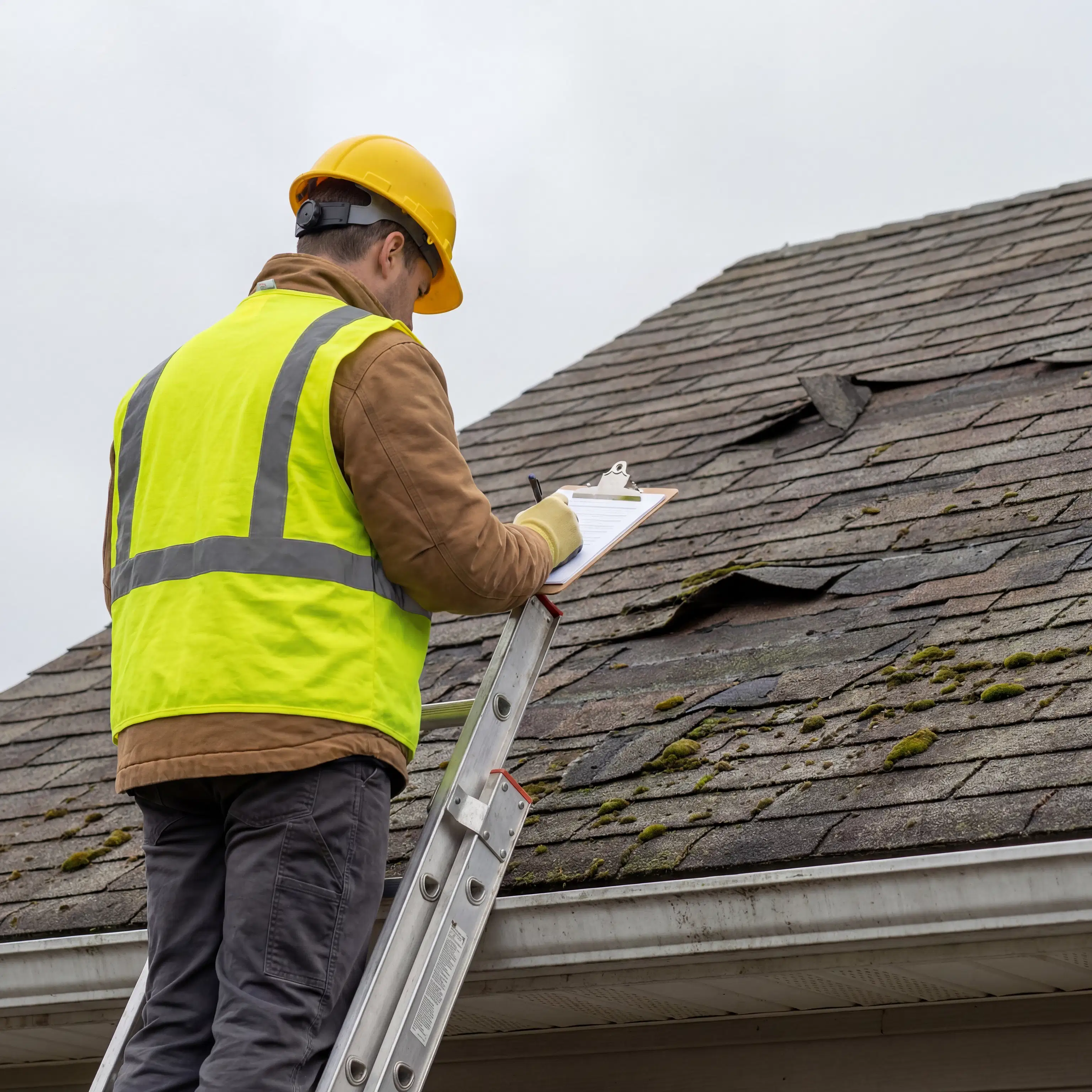
If you have safe access to your attic, take a bright flashlight up there during the day. Look for dark, water-stained spots on the wood framing, matted or compressed insulation, or even tiny streaks of daylight shining through the roof deck where it shouldn't be. These are clear, undeniable indicators that your home has suffered water intrusion.
Understanding how to find hidden roof leak under shingles requires a professional eye and often specialized equipment. Water can enter through damaged flashing, a slightly lifted shingle, or a cracked rubber boot around a plumbing vent, and then travel several feet before finally dropping onto your ceiling. If you suspect an issue, our team specializes in comprehensive residential roof repairs and leak detection. We use advanced inspection techniques to pinpoint exactly where the water is entering the building envelope so we can stop it completely at the source.
Preventing Storm Damage Roof Leaks
In CFL, being proactive is absolutely the best way to protect your home. Preventing storm damage roof leaks isn't just about fixing problems as they arise; it is about fortifying your home before the severe weather ever hits. Regular inspections and routine maintenance are crucial. Make sure your gutters are completely clear of leaves and debris so heavy rainwater can flow freely away from your roof and your home's foundation.
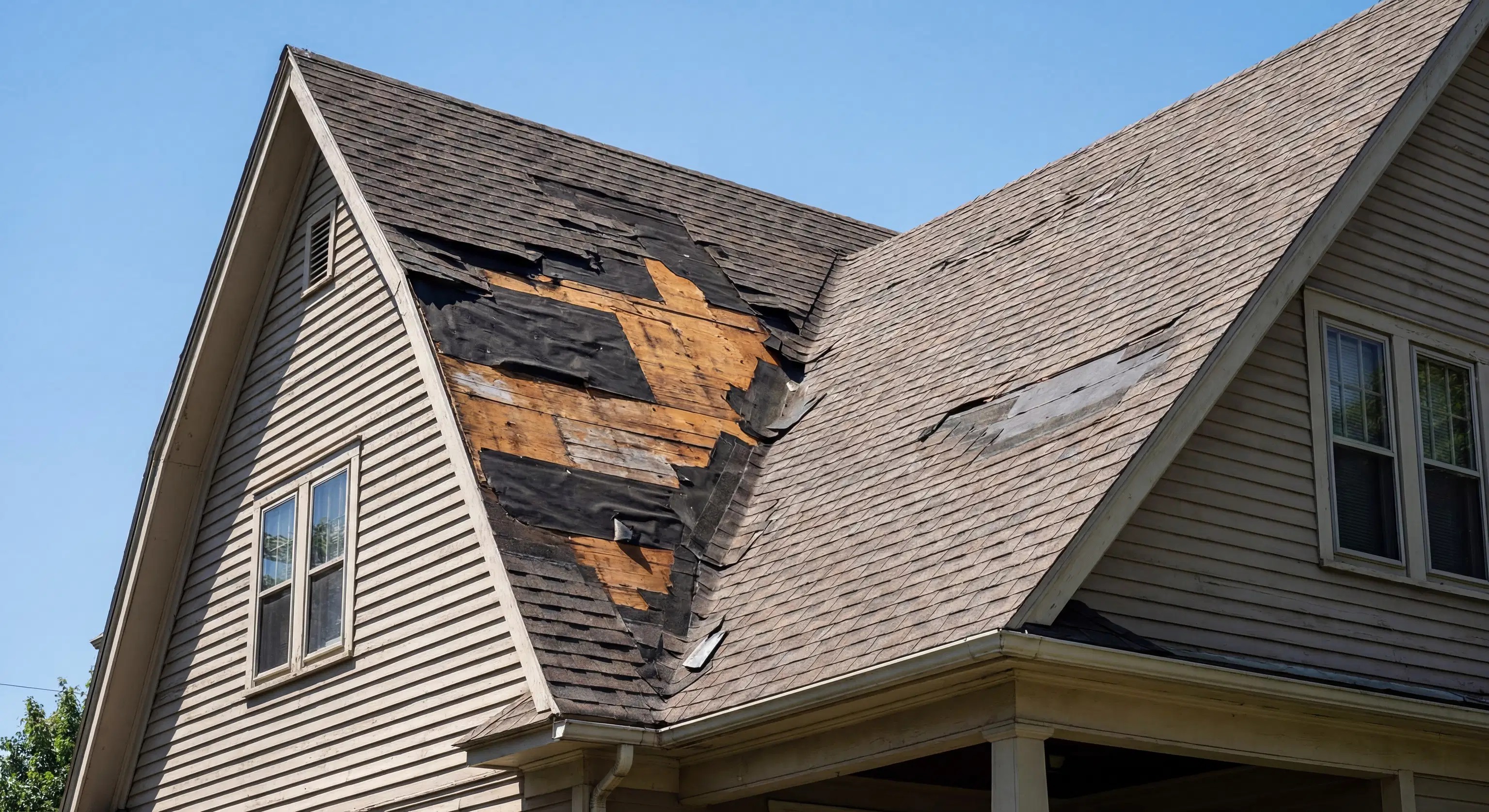
Have a professional inspect your roof's flashing, pipe boots, and the condition of the shingles or barrel tile themselves. Over time, the intense Florida sun can bake and dry out sealing materials, making them brittle and highly prone to cracking when high winds arrive. Addressing these minor wear-and-tear issues proactively can save you from a major catastrophe during the next severe thunderstorm.
If your home has recently been through a significant weather event, don't wait for a leak to show up inside your living room. Having an expert evaluate your property can catch wind-lifted shingles or impact damage early. Our storm damage repair and restoration services are designed to quickly secure your property against further damage. Furthermore, if you need to file an insurance claim, navigating the complex Florida property insurance landscape can be incredibly frustrating. Insurers are increasingly strict about roof age and maintenance records. We can help you navigate this process, ensuring you have the detailed documentation, photos, and wind mitigation reports needed to get your repairs covered promptly and fairly.
Emergency Roof Leak Detection Step by Step
When you discover an active leak during a heavy rainstorm, it is vital to act quickly but safely to minimize the damage to your home's interior. Here is a simple step-by-step approach for emergency roof leak detection and management until professionals arrive:
- Contain the Water: Place a bucket, trash can, or large container under the active drip. If the water is pooling in the ceiling paint and creating a large, sagging bubble, use a pin or a small nail to carefully puncture the center of the blister. This allows the water to drain cleanly into your bucket rather than spreading out and eventually bringing down a massive section of heavy, wet drywall.
- Protect Your Belongings: Move furniture, area rugs, and electronics away from the affected area immediately. Cover anything that cannot be easily moved with plastic tarps.
- Document the Damage: Take clear, well-lit photos and videos of the active leak, the interior damage, and any visible exterior issues if you can see them safely from the ground. This visual documentation will be invaluable for your insurance claim.
- Call a Professional: Never attempt to climb onto a wet, slippery roof during a storm. It is incredibly dangerous. Wait for the weather to pass and contact an experienced local roofing contractor immediately.
At Roofing Brothers of Florida, we are proud to serve homeowners throughout the tri-county area. We understand the immense stress that comes with unexpected property damage, and we are committed to providing fast, reliable, and honest solutions to keep your family safe and dry. If you are concerned about potential hidden leaks or need help recovering from a recent storm, please contact us today to schedule a comprehensive roof assessment.