Preparing Your Roof for Solar Panel Installation
Making the switch to solar energy is a fantastic investment, especially for homeowners living in The City Beautiful. Harnessing our abundant sunshine can significantly lower utility costs while providing a sustainable energy footprint. However, before those gleaming new panels are attached to your home, there is a critical step that many property owners overlook: ensuring the roof underneath is truly ready to support them.
Adding a solar array isn't as simple as drilling a few brackets and plugging in a cable. It involves altering the surface of your home, introducing new structural loads, and navigating the complex realities of Florida's weather and property insurance landscape. If your roof isn't properly prepared, an upgrade meant to save you money could end up causing unexpected leaks, structural issues, or complicated insurance battles down the road.
Whether you are constructing a custom home or upgrading your current residence, understanding how your roofing system interacts with solar technology is essential. By taking a proactive approach and assessing your roof's condition beforehand, you can guarantee that your investment will remain safe, secure, and highly efficient for decades to come.
Evaluating Roof Structural Integrity for Solar Panels
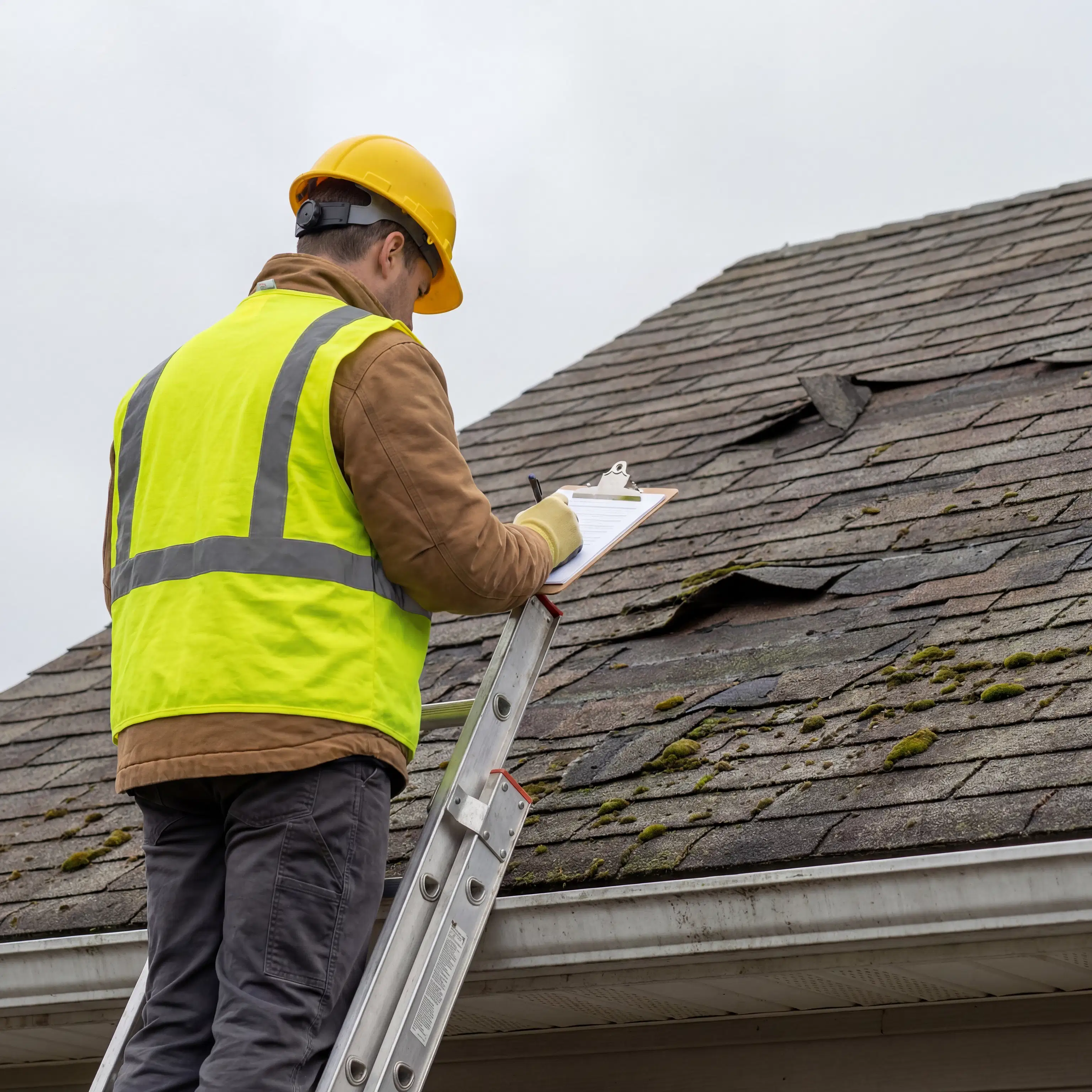
One of the most common questions homeowners ask is whether they should replace their roof before a solar installation. The answer largely depends on the age and current condition of your roofing system. Solar panels are built to last 25 to 30 years. If your current roof only has 5 to 10 years of life remaining, you will eventually have to pay a crew to remove the panels, replace the roof, and then reinstall the array. This double-handling of materials can be incredibly expensive and disruptive.
Beyond simple wear and tear, evaluating roof structural integrity for solar panels is a non-negotiable safety step. Solar panels add substantial weight to your roofing trusses and decking. Our team thoroughly examines the underlying structural elements to ensure they meet strict Florida Building Codes. We look for any signs of sagging decking, moisture intrusion, or compromised trusses that might need reinforcement before bearing the additional load of a solar system.
Furthermore, the ongoing property insurance climate in our state is a major factor to consider. Insurers are increasingly strict about the age of a roof. If your roof is approaching the 10 to 15-year mark, you may face non-renewal notices from your provider, regardless of whether you just installed brand-new solar panels on it. Upgrading your roof prior to going solar not only ensures structural safety but also secures your standing with homeowners insurance, preventing sudden coverage drops.
Rooftop Solar Panel Mounting and Your Roof Warranty
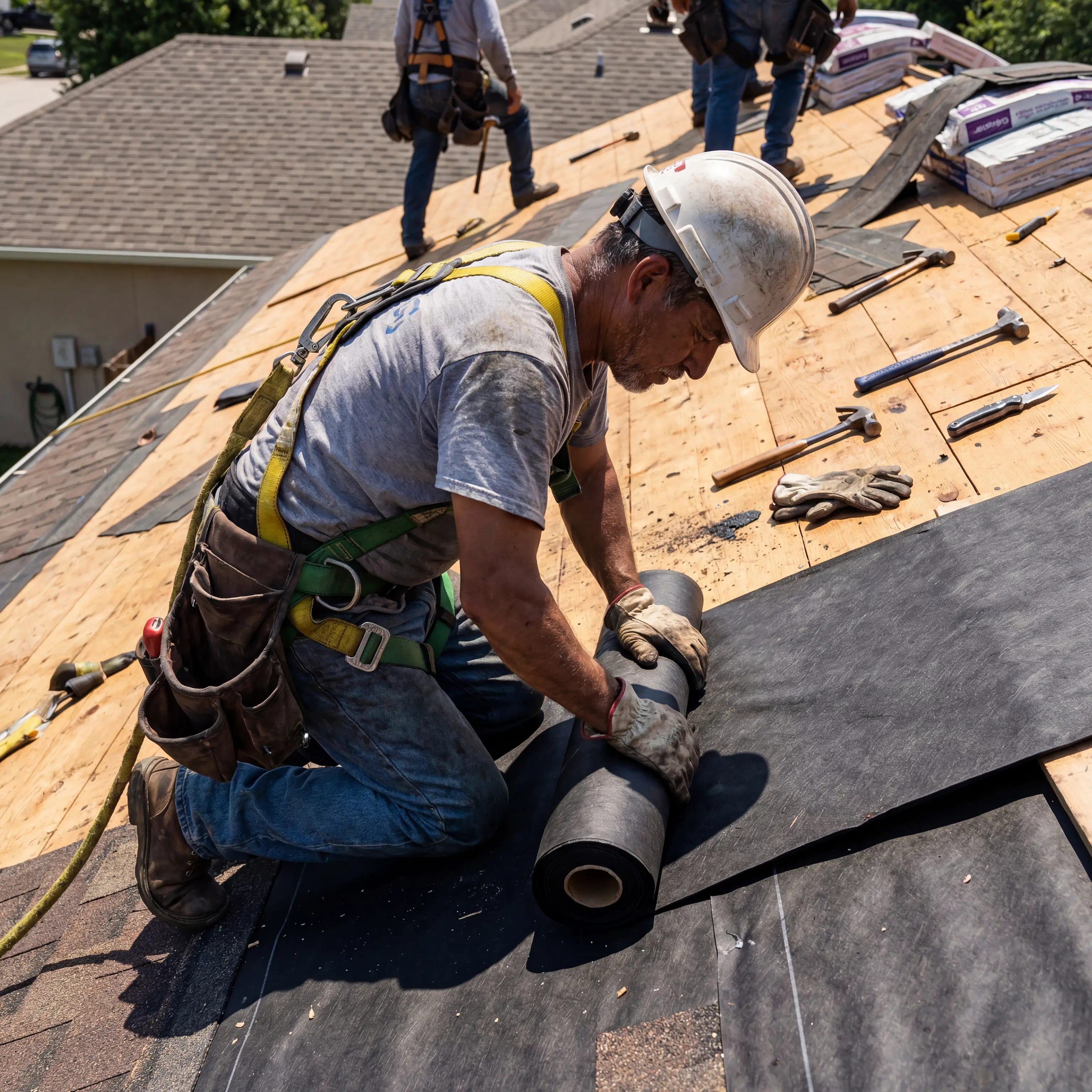
When you mount hardware to your roof, penetrations are made through the outer protective layer. If these penetrations are not handled with absolute precision, they become prime entry points for water. Living in The Tri-County Area means we have to deal with intense, sudden weather changes. A standard 3 PM downpour during the summer can push gallons of water over your roof in a matter of minutes. If the flashing and sealants around your rooftop solar panel mounting brackets are subpar, water will find its way inside.
This brings up another critical concern: your existing roof warranty. Many roofing manufacturers have strict guidelines detailing who can alter their materials and how it must be done. Having an unauthorized or inexperienced solar contractor drill into your shingles or tiles can instantly void your manufacturer's warranty.
By working with a licensed roofing professional to prepare the surface, you ensure that all flashings, sealants, and mounting points are integrated in a way that respects the original installation guidelines. For many homeowners, this is also an excellent time to consider upgrading to energy-efficient materials. For instance, pairing a solar system with a highly reflective metal roof or specialized cool roofing shingles can exponentially increase your home's energy efficiency, lowering cooling costs even further.
Wind Mitigation and Severe Weather Preparedness
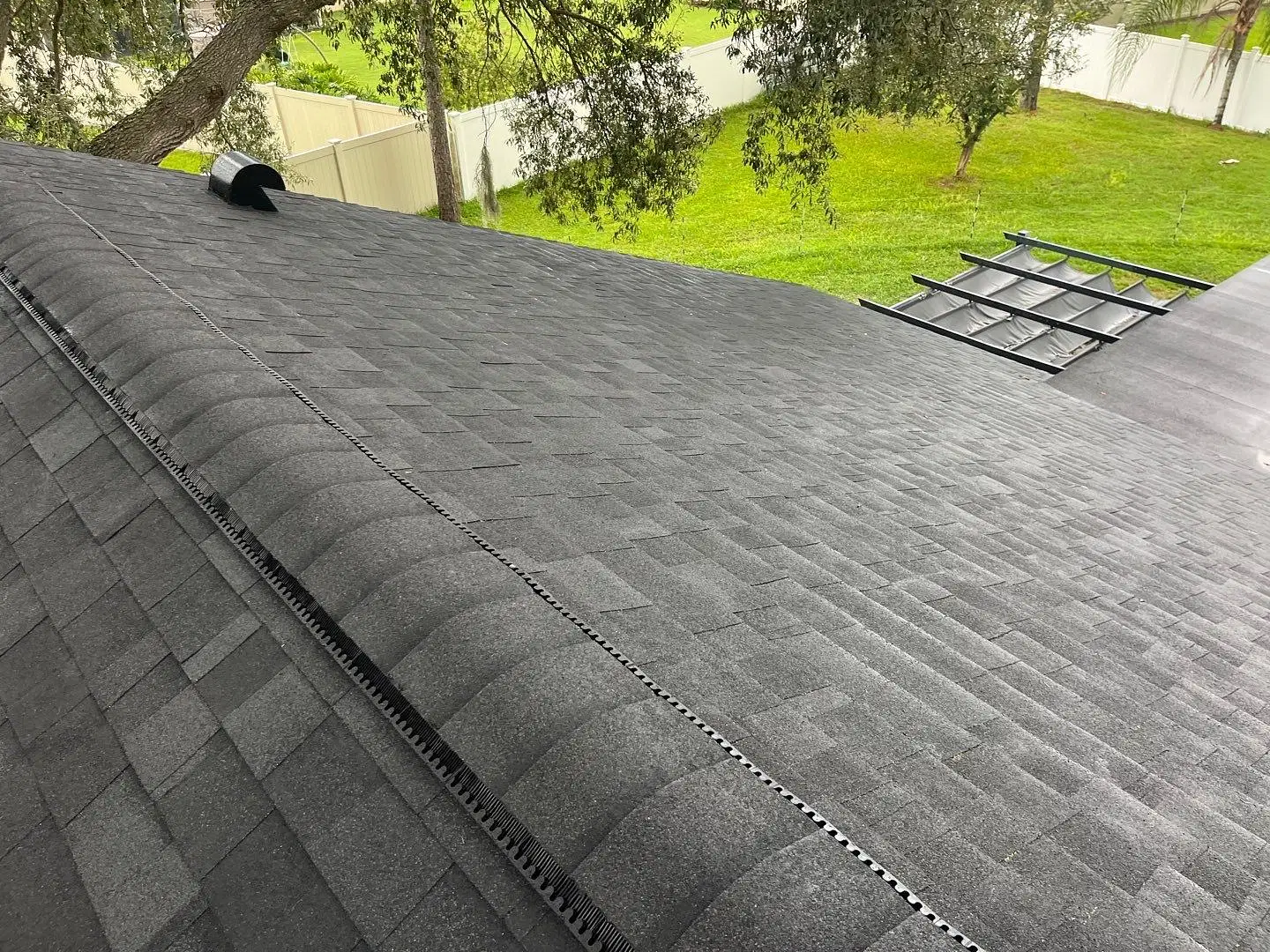
Florida's hurricane season introduces a unique set of challenges for solar-equipped homes. When high-velocity winds sweep over a roof, they create upward lift. Solar panels can catch this wind, transferring significant upward force directly to the roof decking and trusses.
Before installing solar, we heavily prioritize wind mitigation standards. This means verifying that the roof-to-wall connections, nail spacing, and secondary water barriers all meet or exceed the latest hurricane-resistant installation standards (ASCE 7-22). Proper preparation might involve upgrading your roof's fastening system to handle the combined uplift forces of the panels and the roof structure itself.
Taking care of these upgrades before the panels are placed often qualifies homeowners for wind mitigation credits on their property insurance. By proving to your insurance company that your roof is built to withstand severe storm forces, you can offset some of the costs associated with the upgrade through reduced annual premiums.
Take the Next Step Toward Solar
Preparing your home for renewable energy is an exciting journey, but it requires a solid foundation. From ensuring structural integrity and navigating insurance requirements to protecting your home against severe weather, your roof dictates the success of your solar investment.
If you are considering adding solar panels to your home, start with a comprehensive evaluation of your current roofing system. Whether you need minor reinforcements or a complete residential roof installation to ensure a safe foundation, Roofing Brothers of Florida is here to help homeowners across CFL make the transition seamlessly. We also offer expert solar panel installation services, ensuring that your roof and your new energy system work in perfect harmony.
Contact us today to schedule your assessment and take the first step toward a secure, energy-efficient future.