Comparing TPO and PVC Commercial Roofing Systems
When you manage a commercial property in the Tri-County Area, protecting your investment from above is a top priority. The intense sunshine, high humidity, and those predictable 3 PM downpours can take a massive toll on a flat roof. Property managers and building owners are constantly searching for commercial flat roof replacement options that not only stop leaks but also offer long-term durability and energy savings.
Two of the most popular and effective solutions on the market today are TPO (Thermoplastic Polyolefin) and PVC (Polyvinyl Chloride). Both fall under the category of energy efficient single ply roofing membranes, which have revolutionized the commercial roofing industry. These materials are highly favored for their ability to reflect UV rays, drastically lowering cooling costs during our relentless summers—a trend commonly referred to as "cool roofing."
However, while they might look similar from the ground, TPO and PVC have distinct chemical compositions, performance characteristics, and price points. If you are preparing to upgrade your facility's protection, understanding a comprehensive tpo vs pvc roofing membrane comparison is essential for making the right long-term investment. At Roofing Brothers of Florida, we specialize in helping local business owners navigate these choices and install high-performance commercial roofing systems.
The Core Benefits of TPO Roofing
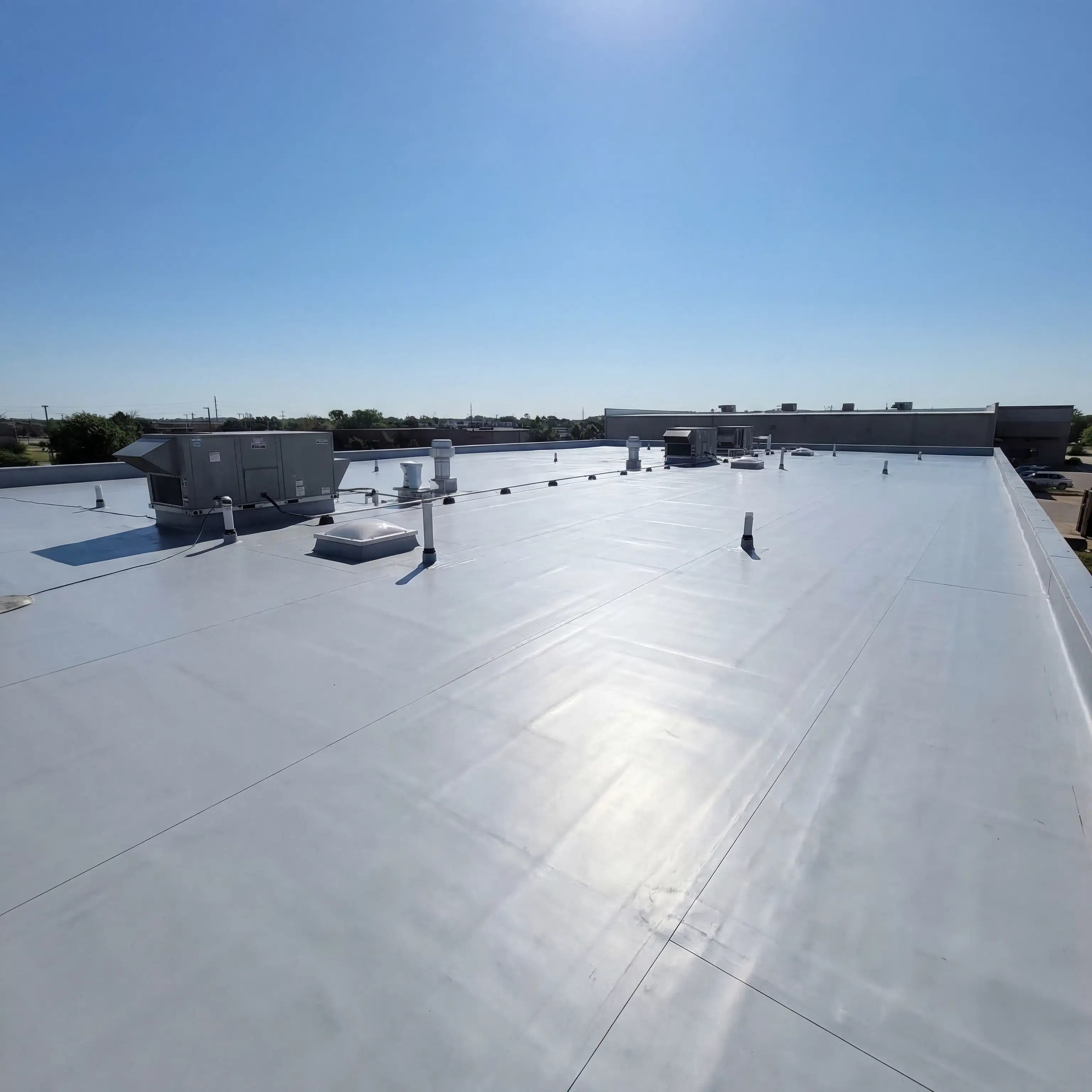
TPO is currently one of the fastest-growing commercial roofing materials on the market, and it is easy to see why. It offers an exceptional balance of cost-effectiveness and performance. Manufactured from a blend of polypropylene and ethylene-propylene rubber, TPO provides excellent flexibility and resistance to tears, impacts, and punctures.
One of the biggest advantages of TPO is its brilliant reflective surface. By reflecting the sun's harsh UV rays away from your building, TPO significantly reduces the amount of heat absorbed into the structure. This translates directly to lower utility bills and less strain on your commercial HVAC systems. For budget-conscious property managers looking for a robust return on investment, TPO is often the go-to choice.
Additionally, TPO is naturally resistant to mold growth, dirt accumulation, and the physical wear and tear caused by severe weather. When properly installed by an experienced commercial roofing contractor, the heat-welded seams of a TPO system form a watertight bond that is incredibly resilient against pooling water, which is critical after intense summer storms.
The Strengths of PVC Roofing
PVC roofing has been a trusted standard in the commercial roofing industry for decades. Made from polyvinyl chloride, this material is renowned for its incredible strength, longevity, and resistance to environmental hazards.
Where PVC truly outshines many other commercial flat roof replacement options is in its chemical resistance. If your commercial property is a restaurant, a food processing facility, or an industrial manufacturing plant, your roof is likely exposed to grease, oils, animal fats, or harsh industrial chemicals. These substances can quickly degrade other roofing materials, but PVC is specifically engineered to withstand them without breaking down.
PVC is also highly flexible and fire-resistant, offering an added layer of safety and compliance with strict Florida Building Codes. Because it is highly resistant to wind uplift, it is an excellent choice for wind mitigation, helping business owners secure favorable property insurance rates in a challenging insurance market. The seams on a PVC roof are also hot-air welded, creating a monolithic layer of protection that often outlasts the warranties provided by the manufacturers.
Making the Right Choice for Your Building
When weighing a tpo vs pvc roofing membrane comparison, the right choice ultimately depends on the specific needs of your facility and your budget.
If you manage a standard retail space, office building, or warehouse, TPO is likely the most cost-effective solution. It provides the energy efficiency and watertight reliability you need without the premium price tag. On the other hand, if your building houses a restaurant with rooftop grease traps, or if it requires maximum chemical and fire resistance, investing the extra capital into a PVC roofing system will save you money on premature repairs and replacements down the road.
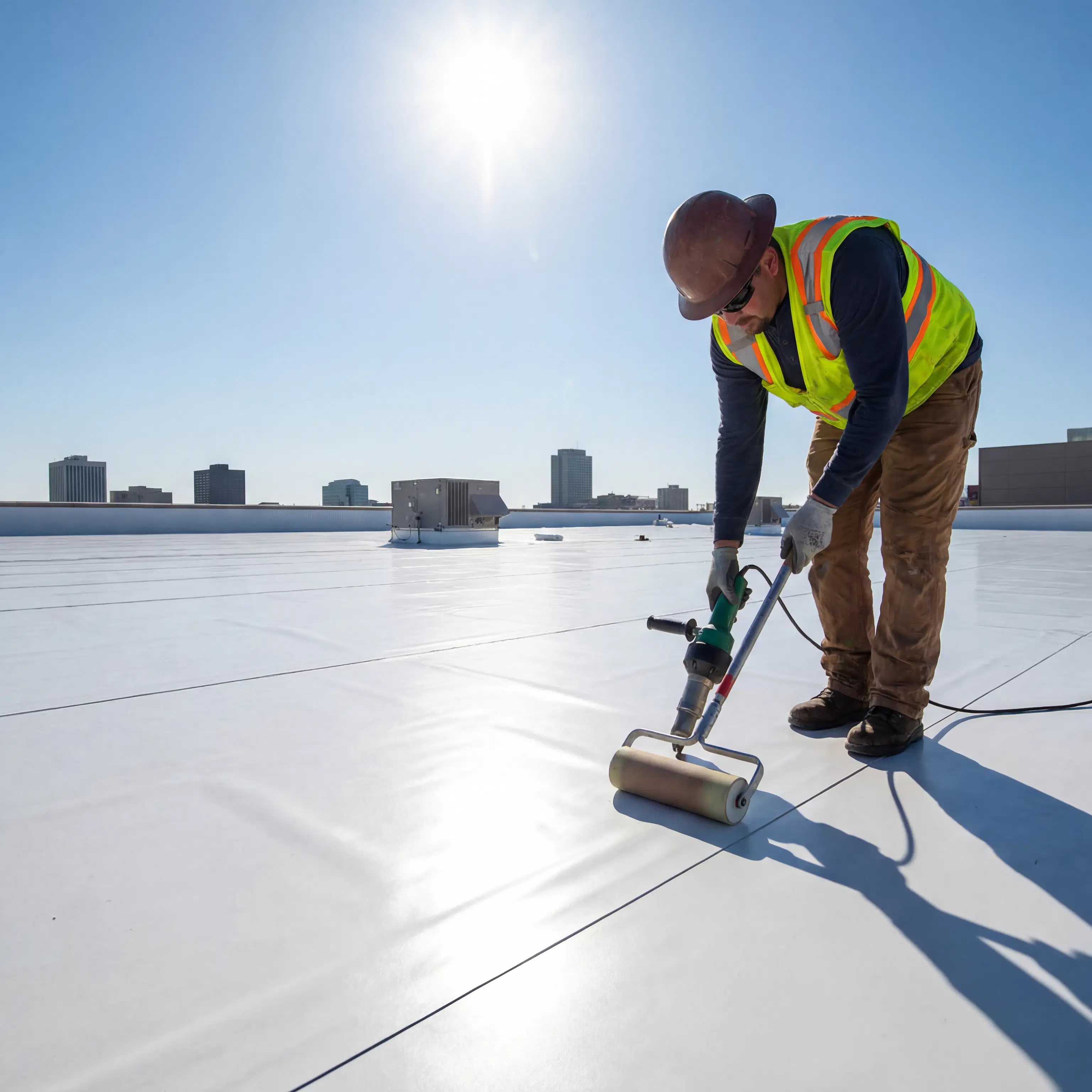
Regardless of which material you choose, the performance of any energy efficient single ply roofing membrane is entirely dependent on the quality of the installation. A flawless installation ensures the seams are perfectly welded, the flashing is watertight, and the insulation beneath the membrane is properly secured.
Partner with Local Commercial Roofing Experts
Navigating building codes, complex insurance requirements, and the unique weather challenges of CFL requires a contractor who understands the local landscape. Whether you need a thorough inspection, ongoing maintenance, or a complete commercial roof installation, having a trusted partner makes all the difference in protecting your commercial property.
At Roofing Brothers of Florida, we pride ourselves on delivering top-tier workmanship and transparent communication to businesses all along the I-4 Corridor. We can help you evaluate your current roof's condition, discuss your long-term goals, and recommend the best membrane system to keep your building secure, energy-efficient, and compliant.
If you are ready to explore your options or need a professional assessment of your current flat roof, reach out to our team today through our contact page. Let us help you find the perfect roofing solution to protect your business for decades to come.